


Burnout prevention depends on both individual habits and system-level changes such as workload design, staffing, and documentation support.
Burnout is common among physicians, and psychiatrists may face added stress from emotional demands, trauma exposure, and administrative burden.
Without active prevention, fatigue builds and clinical performance may decline over time. Leading organizations recognize burnout as both a system issue and a clinical concern.
Addressing it requires more than personal effort. It calls for clear methods that support long-term stability. Continue reading to see how psychiatrists reduce strain and stay effective in practice.
Key Takeaways
- Boundary enforcement and structured scheduling reduce emotional exhaustion and improve long-term clinical sustainability.
- Peer supervision and psychotherapy mitigate compassion fatigue and normalize emotional responses to patient care.
- Administrative efficiency and workload design directly impact burnout risk, particularly in high-volume outpatient psychiatry.
Psychiatrist Burnout Is Driven More By System Pressure Than Individual Resilience
Psychiatrist burnout is shaped more by system pressure than by a lack of personal coping.
Daily work involves managing major depressive disorder, bipolar disorder, and trauma-related conditions. Each visit requires steady emotional control. Over time, that adds up.
Repeated exposure to patient trauma may contribute to compassion fatigue and secondary traumatic stress in some psychiatrists, which is why structured support like Burnout Treatment in Raleigh and Cary is often integrated into long-term prevention strategies.
Then there is the workload outside the session. Documentation in electronic health records. Insurance requirements. Prior authorizations. These tasks take time and focus.
“Burnout is largely driven by systems issues, not individual factors.” – National Academy of Medicine
Clinical strain often comes from:
- Repeated exposure to trauma narratives
- High documentation volume in EHR systems
- Productivity models tied to volume instead of care quality
Put together, this creates constant pressure. Not dramatic, but persistent. And hard to ignore.
Redefining Clinical Success Reduces Emotional Exhaustion

Tips for Preventing Burnout include seeking professional therapy and open conversations
How success is defined in psychiatry matters.
Many clinicians feel responsible when patients do not improve fully. This is common in treatment-resistant depression or chronic anxiety. The expectation of full recovery, every time, creates strain.
But outcomes are not always within the clinician’s control, even when delivering consistent psychiatrist help with mental health through evidence-based care and structured follow-up.
Process-based care includes:
- Careful psychiatric evaluation
- Evidence-based medication decisions
- Consistent follow-up planning
This approach separates effort from outcome. It allows clinicians to measure what they can control.
And something changes.
Emotional pressure drops. Frustration softens. Work feels more stable.
Over time, this shift supports:
- Better professional satisfaction
- Lower emotional fatigue
- Longer career sustainability
It is a small change in thinking. But it carries weight.
Strategic Scheduling Protects Cognitive And Emotional Capacity
Not all clinical hours are equal.
High-acuity cases, such as suicidal ideation or acute psychosis, demand sustained attention. They require more cognitive effort. More emotional control.
Stacking these cases back to back increases fatigue. Focus declines. Decision making becomes harder.
Spacing matters.
A structured schedule often includes a mix:
- Complex evaluations
- Routine medication follow-ups
- Time set aside for documentation
This pattern allows brief recovery between demanding sessions.
Some practical adjustments include:
- Short buffers between visits
- Limits on consecutive crisis cases
- Planned documentation time during the day
These are small changes. But they reduce overload.
And yes, they protect accuracy too.
Digital Boundary Setting Prevents Chronic Stress Activation
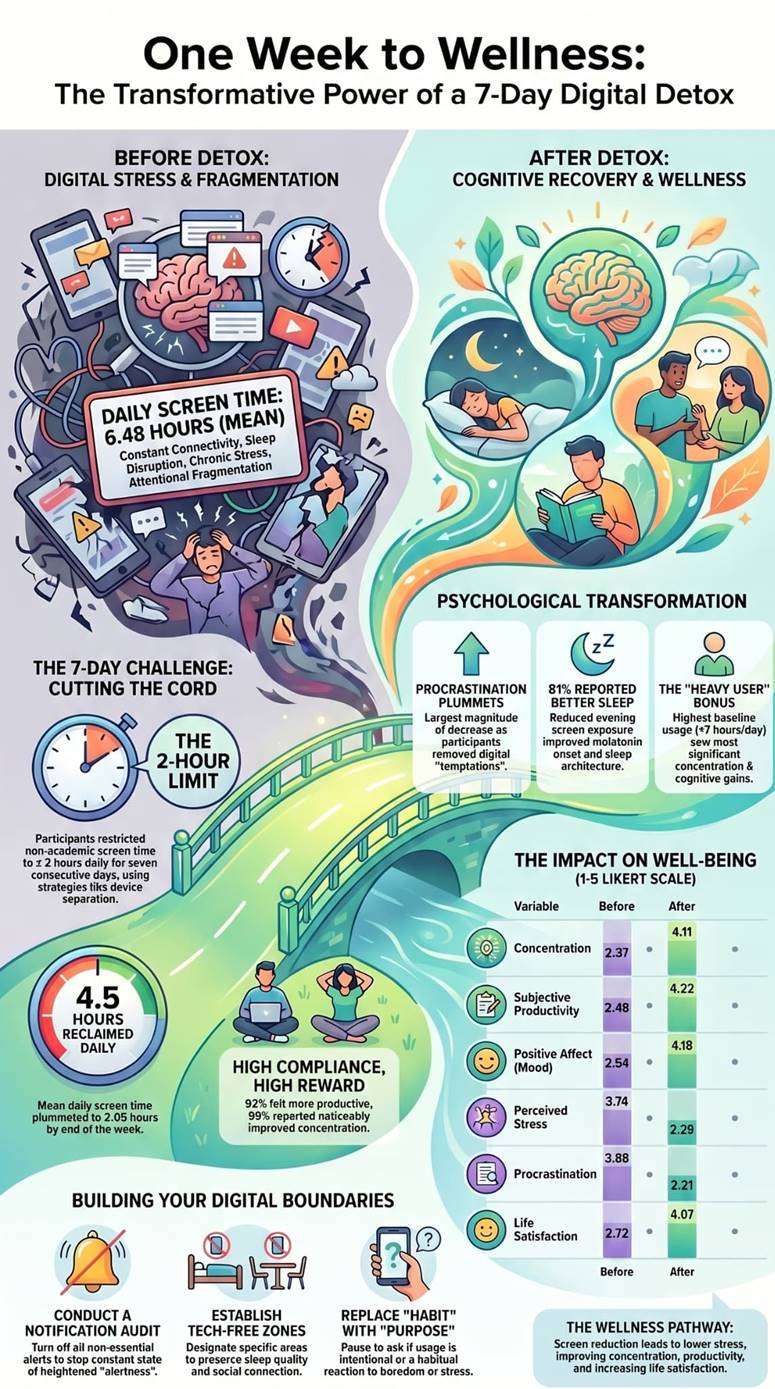
Work does not always end when the clinic day ends.
Patient messages, alerts, emails. They continue. Quietly, but constantly.
Even brief exposure keeps the mind in a work state. The body stays alert. Recovery slows down.
Sleep can suffer. Focus the next day may drop.
Setting limits helps.
Some clinicians choose a clear cutoff time for digital access. Others limit patient portal use to urgent issues only.
Examples include:
- Setting an evening cutoff for EHR access
- Turning off non-urgent notifications
- Restricting after-hours patient messaging
These steps create space. Real space.
It may feel uncomfortable at first. But over time, it restores balance.
Peer Consultation Reduces Isolation And Emotional Burden
Psychiatry can be isolating.
Much of the work happens one on one. Complex cases, difficult emotions, ethical decisions. All processed internally.
Without an outlet, that pressure builds.
Peer consultation changes that, especially when combined with clinical guidance that addresses whether can a psychiatrist help with burnout in structured treatment settings.
Groups such as Balint groups focus on the relationship between clinician and patient. Not just diagnosis or medication. The human side of care.
In these settings, clinicians share experiences. Reflect. Listen.
“Strong social support at work is associated with lower rates of physician burnout.” – American Medical Association.
Benefits often include:
- Normalizing emotional responses
- Reducing internal stress
- Gaining new clinical perspectives
Micro Recovery Techniques Restore Balance Between Sessions

Stress does not always stay in the mind. It shows up in the body.
Tension. Tight shoulders. Shallow breathing.
Short resets can help.
These are brief. One or two minutes. But they signal the body to shift out of stress mode.
Examples include:
- Slow breathing, steady rhythm
- Cold water on the hands or face
- A short walk, even down the hall
Simple actions. Easy to overlook.
But they work.
They improve focus. Calm the nervous system. Help the clinician reset before the next patient.
In a busy clinic, that reset matters. Every time.
Addressing Moral Injury Supports Long Term Stability
Not all burnout comes from workload.
Some of it comes from conflict. Ethical conflict.
A clinician knows what a patient needs but cannot always provide it due to insurance limits, system barriers, and cost constraints, including factors related to psychiatrist cost.
This is moral injury.
It feels different. Heavier.
Common sources include:
- Limited insurance coverage
- Restricted access to inpatient care
- Short visit times for complex cases
Addressing this requires more than individual effort.
Some clinicians engage at the system level. Committees. Policy discussions. Advocacy work.
Integrated Burnout Prevention Requires Multiple Strategies

No single method solves burnout.
It takes a combination.
| Strategy Area | Focus | Example |
| Cognitive | Redefine success | Process-based evaluation |
| Structural | Manage workload | Balanced scheduling |
| Digital | Protect recovery time | Limit after-hours EHR access |
| Relational | Process emotions | Peer consultation groups |
| Physiological | Reduce stress response | Breathing and movement breaks |
Each area supports a different part of the problem.
Together, they create a system. Not perfect. But stronger.
When Burnout Keeps Showing Up
You feel it in your body after another packed day, tight shoulders, low energy, and no real break between patients. It builds fast. Burnout doesn’t fix itself, and pushing through just makes it worse.
MedPsych Integrated gives you a simpler way to manage the load without losing control of your schedule. Their system cuts admin stress and keeps care flexible, so you can focus on patients and still have space to reset. If you need a setup that actually holds up day to day, this is a solid next step.
FAQs
What are early physician burnout warning signs psychiatrists should not ignore?
Early physician burnout warning signs include persistent irritability, low motivation, and compassion fatigue psychiatrist symptoms. Mental health professional burnout often begins with emotional exhaustion and reduced empathy. Recognizing early burnout signs allows timely action.
Assessing stress triggers and evaluating coping skills help identify causes. Early intervention supports psychiatrist burnout prevention and reduces negative effects on patient care and personal well-being.
How can psychiatrists set boundaries in patient care without affecting outcomes?
Setting boundaries patient care protects both clinicians and patients. Clear boundary setting work home and limiting after hours emails reduce overload. Psychiatrists should say no to inappropriate patient requests and maintain realistic expectations patients.
These actions support work life balance psychiatry while maintaining care quality. Strong boundaries improve emotional exhaustion prevention and promote consistent, focused clinical decision-making.
Which clinician self care strategies help reduce emotional exhaustion in psychiatry?
Effective clinician self care strategies include mindful self care daily, regular exercise mental wellness, and adequate sleep psychiatrist health. Proper nutrition for mental health professionals supports energy and concentration.
Practices such as mindfulness meditation practice, breathing exercises relaxation, and yoga stress relief reduce stress. A structured daily self care routine improves emotional exhaustion prevention and helps maintain long-term professional stability.
How can psychiatrists manage workload and prevent mental health professional burnout?
Psychiatrists can manage workload by using realistic scheduling appointment slots and building buffers between sessions. Reducing patient caseload and delegating administrative tasks lower daily pressure.
Hiring support staff or outsourcing billing coding reduces administrative burden. Improving EHR documentation efficiency saves time. These steps support prevent burnout healthcare efforts and allow clinicians to maintain consistent, high-quality care.
What support systems help psychiatrists cope with secondary traumatic stress?
Peer support group psychiatrist meetings and professional consultation group discussions provide shared insight and emotional support. Clinical supervision burnout guidance helps process complex cases.
Debriefing heavy sessions reduces emotional strain. Vicarious trauma coping improves with open communication team practices and a supportive work environment. Personal psychotherapy psychiatrist support strengthens resilience and helps manage secondary traumatic stress psychiatrist challenges effectively.
References
- https://edhub.ama-assn.org/steps-forward/module/2847946
- https://www.nationalacademies.org/projects/HMD-HCS-17-09/publication/25521