

What Does A Psychiatrist Do For Bipolar Disorder?
Bipolar disorder requires accurate diagnosis, individualized treatment, and ongoing monitoring rather than treating mood swings alone. A psychiatrist diagnoses bipolar I disorder, bipolar II disorder, and related mood disorders, prescribes psychiatric medication, monitors treatment response, and helps reduce the risk of relapse.
At Med Psych, we provide evidence-based psychiatric care tailored to each individual’s clinical needs, with ongoing follow-up to support long-term mood stability and functional recovery. Continue reading to learn how psychiatric care helps manage bipolar disorder over time.
Key Takeaways
- Diagnose the correct bipolar disorder subtype through a comprehensive psychiatric evaluation.
- Develop an individualized treatment plan that combines medication management, psychoeducation, and evidence-based psychotherapy referrals.
- Monitor symptoms, medication response, relapse risk, and overall functioning through regular psychiatric follow-up.
What Does A Psychiatrist Do For Bipolar Disorder?
Bipolar disorder is a chronic mental health condition. It causes episodes of depression, mania, hypomania, or mixed symptoms that can return throughout life. Some episodes develop gradually. Others appear much more quickly.
That is why treatment does not end after the first appointment.
A psychiatrist first confirms whether bipolar disorder is the correct diagnosis. From there, treatment is built around the individual’s symptoms, medical history, previous treatment response, and overall health. The plan is reviewed during follow up visits and adjusted whenever it is medically appropriate.
Sometimes symptoms improve for months or even years. Even then, regular psychiatric care remains important. Follow up visits help identify small changes before they become severe enough to interfere with work, school, relationships, or personal safety.
“Although symptoms may come and go, bipolar disorder usually requires lifelong treatment and does not go away on its own.” – National Institute of Mental Health (NIMH)
This is why regular follow-up appointments remain an important part of long-term psychiatric care. They allow psychiatrists to identify early changes, adjust treatment when needed, and help reduce the risk of relapse before symptoms become more severe.
Diagnose The Correct Type Of Bipolar Disorder
Many mental health conditions share similar symptoms. Depression, anxiety disorders, attention deficit hyperactivity disorder, and some medical conditions can all affect mood, sleep, energy, or concentration. Looking at one symptom alone is rarely enough.
Instead, the psychiatrist looks at the complete clinical picture.
A comprehensive psychiatric evaluation usually includes many of the same components discussed in what happens during a psychiatric evaluation, including a detailed review of symptoms, medical history, and previous treatment before a diagnosis is made.
- Previous depressive episodes.
- Previous manic or hypomanic episodes.
- Changes in sleep patterns.
- Changes in energy level.
- Impulsive or high risk behavior.
- Family history of mental health conditions.
- Medical history.
- Alcohol or substance use.
- Previous psychiatric treatment.
This information helps determine whether the individual meets the criteria for bipolar I disorder, bipolar II disorder, or cyclothymic disorder.
The evaluation also helps rule out other conditions that may explain the symptoms. That step is important because treatment for bipolar disorder is different from treatment for major depressive disorder or several other psychiatric conditions.
Build An Individualized Treatment Plan
No two individuals experience bipolar disorder in exactly the same way. One person may have long periods without symptoms. Another may experience frequent mood episodes that require closer follow up.
Because of this, treatment is individualized.
Several factors guide treatment decisions, including the current mood episode, symptom severity, previous medication response, medical history, coexisting medical conditions, and earlier episodes of relapse.
The treatment plan may include psychiatric medication, scheduled follow up visits, psychotherapy referrals, education about bipolar disorder, and strategies that support regular sleep and daily routines as part of comprehensive bipolar treatment in Raleigh
The goals stay consistent. Reduce symptoms. Lower the risk of relapse. Help the individual maintain daily functioning over the long term.
Common Medications Used For Bipolar Disorder

| Medication Class | Common Clinical Role |
| Lithium | Long term maintenance, relapse prevention, and acute mania |
| Valproate | Acute mania and mixed episodes |
| Lamotrigine | Bipolar depression and maintenance treatment |
| Carbamazepine | Selected cases of mania or treatment resistant symptoms |
| Second Generation Antipsychotics | Acute mania, bipolar depression, or maintenance, depending on the medication |
The next section explains how psychiatrists choose medication, monitor treatment over time, and adjust the treatment plan as symptoms and clinical needs change.
How Does A Psychiatrist Decide Which Medication Is Right?
Choosing medication for bipolar disorder is a careful process. There is no single medication that fits every individual. The psychiatrist looks at the diagnosis, current symptoms, medical history, and previous treatment before making a recommendation. Every detail matters.
Some individuals need treatment for mania. Others need targeted options to control bipolar mood swings during severe depressive phases. The medication may be different because the symptoms are different.
Several factors help guide the decision.
- Bipolar disorder subtype.
- Current mood episode.
- Previous response to medication.
- Medical conditions.
- Pregnancy or future pregnancy plans.
- Possible medication interactions.
- Side effects.
- Ability to take medication consistently.
Sometimes one medication is enough. Sometimes a combination provides better symptom control. It depends on the clinical picture.
Medication may also change over time. A treatment that worked well during one stage of illness may no longer provide the same benefit years later. That is why follow up visits remain an important part of care. Small adjustments can improve symptom control while reducing unwanted side effects.
Why Are Antidepressants Used Carefully?
Depression is common in bipolar disorder. But treating bipolar depression is different from treating major depressive disorder.
“Antidepressant monotherapy should NOT be used for the treatment of bipolar I depression.” – Canadian Network for Mood and Anxiety Treatments (CANMAT) and International Society for Bipolar Disorders (ISBD) Guidelines
An antidepressant taken alone can increase the risk of mania or rapid mood changes in some individuals. Because of that, psychiatrists often prescribe an antidepressant together with a mood stabilizing medication when it is appropriate.
Careful monitoring follows. Changes in sleep, energy, mood, or behavior may appear before a full manic episode develops. Recognizing those changes early allows treatment to be adjusted before symptoms become more severe.
What Does Medication Monitoring Look Like?

Medication works best when it is reviewed regularly. Prescribing a medication is only the beginning.
Each follow up appointment gives the psychiatrist a chance to see how treatment is working. Some individuals improve quickly. Others need more time. Both are expected.
During follow up visits, the psychiatrist may review:
- Current mood symptoms.
- Sleep patterns.
- Daily functioning.
- Medication adherence.
- Side effects.
- Early signs of relapse.
Certain medications also require laboratory monitoring.
| Medication | Recommended Monitoring |
| Lithium | Blood level, kidney function, thyroid function |
| Valproate | Liver function tests, complete blood count |
| Carbamazepine | Complete blood count, liver function tests, medication interactions |
Laboratory testing helps confirm that treatment remains safe. It also helps identify problems before they become serious. .
Can A Psychiatrist Help Without Only Prescribing Medication?
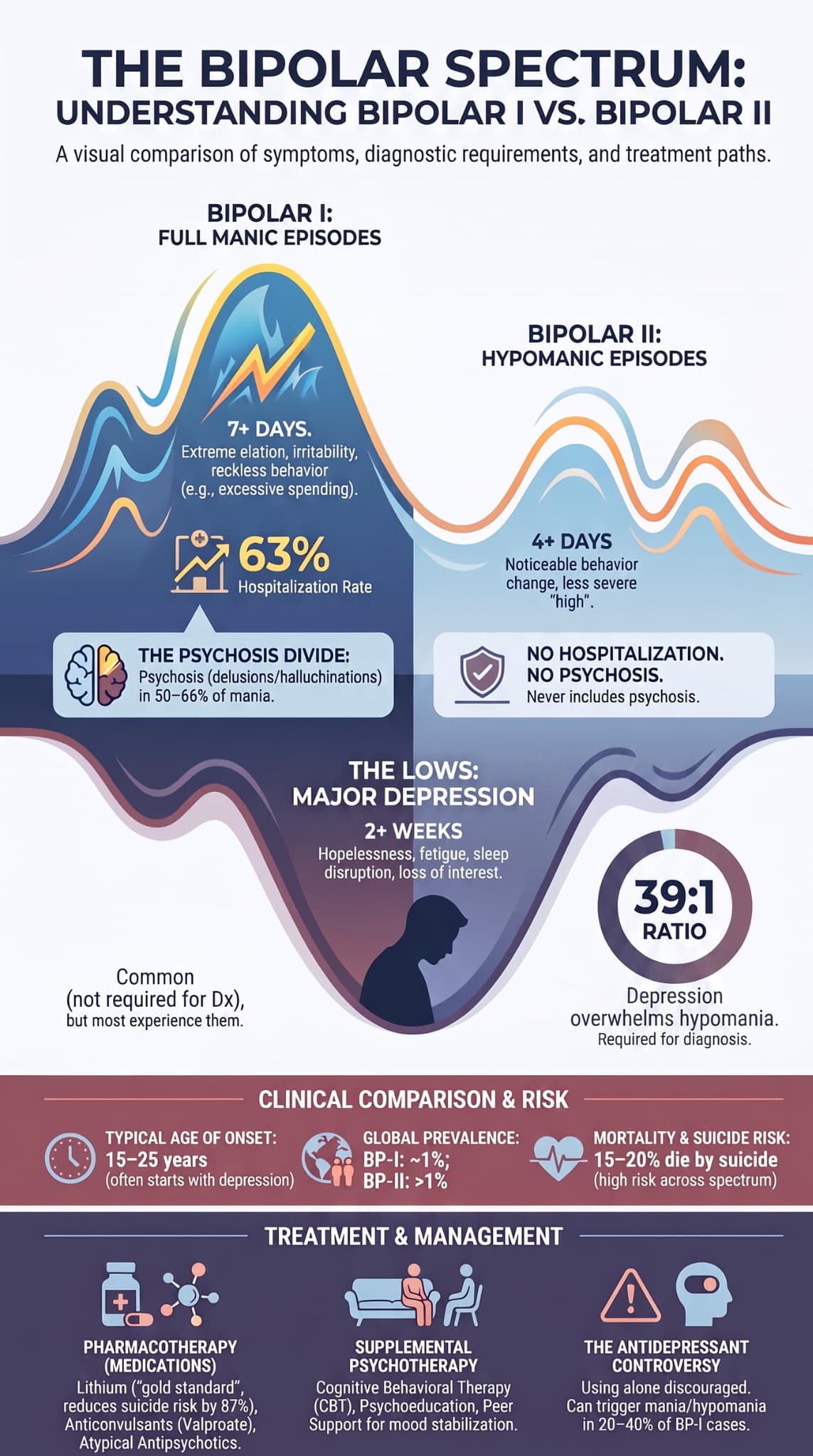
Yes. Medication is only one part of bipolar disorder treatment.
Psychiatrists also help individuals understand the condition, including recognizing the symptoms of bipolar disorder and understanding how treatment works, making long-term care easier to follow.
Topics may include:
- Early signs of mania.
- Early signs of depression.
- The purpose of each medication.
- Healthy sleep habits.
- Situations that require urgent psychiatric care.
A psychiatrist may also recommend psychotherapy. Therapy can help individuals recognize mood changes earlier, improve coping skills, and develop routines that support emotional stability.
What Else Does A Psychiatrist Treat Alongside Bipolar Disorder?
Bipolar disorder often occurs with other mental health conditions. Those conditions deserve treatment as well because they can affect recovery.
Common coexisting conditions include:
- Anxiety disorders.
- Attention deficit hyperactivity disorder.
- Substance use disorders.
- Sleep disorders.
Treating each condition as part of one treatment plan can improve mood stability, daily functioning, and overall quality of life.
Ongoing Care Makes A Lasting Difference
Bipolar disorder can still affect your daily life, even when symptoms seem under control. That’s why staying connected with your psychiatrist matters. Regular follow up visits help keep treatment on track and make it easier to respond if symptoms begin to return.
If you’re looking for ongoing support, MedPsych NC offers personalized psychiatric care that fits your needs. With medication management, comprehensive evaluations, and flexible telepsychiatry or in person visits, the team helps you stay focused on long term stability and better mental health. Taking the next step today can make future treatment easier to manage.
FAQs
Can Bipolar Disorder Be Managed Without Medication?
Most people with bipolar disorder need medication because bipolar disorder is an episodic mood disorder that usually returns without ongoing treatment. A bipolar disorder psychiatrist develops a bipolar treatment plan that may include medication, psychotherapy, psychoeducation, stress management, and family support. This combination supports mood stabilization, improves treatment adherence, and lowers the risk of future mood episodes.
How Often Should Bipolar Medication Be Reviewed?
The schedule for medication monitoring depends on symptom severity, treatment response, and recent medication changes. During maintenance treatment, a psychiatrist usually schedules regular psychiatric follow up appointments to evaluate medication effectiveness, monitor side effects, and make medication adjustments when necessary. Regular follow-up also supports treatment compliance and reduces relapse risk.
What Are the Early Warning Signs of a Bipolar Relapse?
Recognizing early warning signs allows treatment to begin before symptoms become severe. Reduced sleep, increased energy, irritability, racing thoughts, or persistent sadness may indicate a manic episode, hypomania, or bipolar depression. Mood charting and regular symptom monitoring provide useful information that helps a psychiatrist identify changes and adjust the treatment plan promptly.
Can Someone With Bipolar Disorder Live a Stable Daily Life?
Many people with bipolar disorder achieve long-term mood regulation by following an individualized treatment plan. Consistent psychiatric care, sleep regulation, routine management, psychotherapy, and family support help reduce functional impairment and support daily functioning. Although bipolar disorder is a chronic mental illness, ongoing treatment planning and regular follow-up can help many people maintain stable relationships, employment, and daily responsibilities.
When Is Hospitalization Needed for Bipolar Disorder?
A psychiatrist may recommend hospitalization when symptoms create an immediate safety concern or prevent safe daily functioning. Common hospitalization criteria include severe mania, psychosis, suicidal thoughts, or an inability to care for basic needs. Depending on symptom severity, treatment may occur through emergency psychiatric care, partial hospitalization, or outpatient care after the person becomes medically stable.
References
- https://www.nimh.nih.gov/health/publications/bipolar-disorder
- https://pmc.ncbi.nlm.nih.gov/articles/PMC5947163/
Related Articles
- https://medpsychnc.com/understanding-the-symptoms-of-bipolar-disorder-in-psychiatry/
- https://medpsychnc.com/conditions-treated/bipolar-disorder/
- https://medpsychnc.com/what-happens-during-a-psychiatric-evaluation/